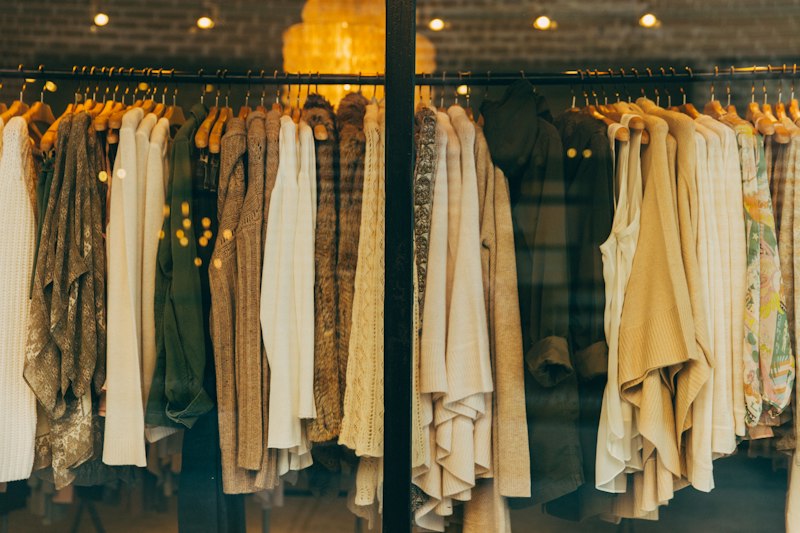
There is a common myth in shopping: cheap clothes are always low quality and expensive clothes are always worth it. In reality, the best wardrobe is usually built somewhere in the middle. You can absolutely find clothes that last, fit well, and look polished without paying luxury prices. You just need to know what to look for and when to buy.
Start with the fabric, not the label
Fabric is one of the fastest clues to quality. When you shop, check the material tag. Natural fibers like cotton, wool, linen, silk, and cashmere often feel better and age better than ultra-cheap synthetic blends, though blends can still be great when they are used thoughtfully. A little stretch can improve comfort, but too much can make clothes lose shape quickly.
Look for fabric that feels substantial without being stiff. Hold it up to the light. If it seems very thin and flimsy, it may not wear well. For shirts and tees, pay attention to how the knit feels. For pants and jackets, see whether the material has enough body to hold its form.
Inspect stitching, seams, and construction
You do not need to be a tailor to spot good construction. Check the seams inside the garment. Are they neat and even? Are loose threads everywhere? Are the stitches consistent, or do they look rushed? Quality pieces usually have cleaner stitching and better finishing on the inside as well as the outside.
Look at stress points too: underarms, crotches, pockets, and button areas. Reinforced seams, strong hems, and secure buttons are signs the item was built to last. If the buttons feel flimsy or the zipper catches right away, that is a red flag.
Thread count is not everything, but details matter
People often talk about thread count, but for clothing, the bigger story is how the fabric and construction work together. A soft shirt is great, but not if it pills after two washes. The best pieces balance comfort, durability, and shape retention.
Shop at the right times to save the most
Timing matters. If you can wait, shop end-of-season sales, holiday markdowns, and store anniversary events. Late winter is great for coats and sweaters. Late summer is great for warm-weather basics. Back-to-school season can be useful for jeans, tees, sneakers, and simple layers.
Also pay attention to when new collections launch. Retailers often discount previous-season inventory to make room for fresh stock. That is one of the best ways to score quality clothing for less. Set price alerts when possible, and check clearance regularly instead of buying the first thing you see.
Outlet stores: good deal or false economy?
Outlets can be helpful, but they are not magic. Some items are true past-season leftovers, while others are made specifically for outlet stores and may not match the quality of the main retail line. That does not mean every outlet piece is bad, but it does mean you should shop with a critical eye.
Focus on the same quality checks you would use anywhere else. Look at fabric, stitching, and fit. If the deal is good but the garment feels disappointing in person, walk away. A cheap price does not help if you wear the item twice and then regret it.
Thrift stores are treasure hunts, not quick errands
Thrifting can be amazing for quality clothing if you have patience. The best finds are often hidden in the racks and require a little digging. Go in with a list, but stay flexible. Sometimes you will find a great blazer or wool sweater you were not expecting.
Look for sturdy fibers, timeless cuts, and classic colors. Check for stains, broken zippers, missing buttons, and odors. If you are buying denim or outerwear, inspect wear points closely. A small fix can be worth it, but major damage usually is not.
For more budget style ideas that can transform a space without a big spend, check out affordable home decor ideas that look way more expensive.
Use online deal-finding strategies the smart way
Online shopping makes comparison easy, but it also makes impulse buying way too easy. To stay smart, save items in wish lists, wait a day before buying, and compare prices across several stores. Browser extensions and deal newsletters can help you spot discounts, but the real win is learning what a fair price looks like.
Another good strategy is to search by material or item type instead of brand hype. You may find a less flashy brand with nearly the same quality for far less money.
Know the brand alternatives worth trying
Every major fashion label has competitors making similar pieces at a lower price. The trick is not to chase the logo. Chase the fit, fabric, and construction. If one brand charges a premium for a basic tee, try a department store label, a direct-to-consumer startup, or a store brand with good reviews. Often the difference is smaller than you think.
This is especially true for basics like tees, button-downs, socks, and simple sweaters. You may not need the exact same brand name to get nearly the same feel and lifespan. Keep notes on what works so your future shopping gets easier.
Make every piece earn its keep
The easiest way to stretch your clothing budget is to buy fewer, better pieces that work with multiple outfits. If a shirt only matches one pair of pants, it is not as valuable as a top that works with jeans, skirts, and layers. That is why building a wardrobe around a few dependable staples is so helpful.
If you need help picking pieces that rotate well, our capsule wardrobe article breaks that down step by step. And if you are shopping for activewear too, our running shoes guide can help you spend smarter there as well.
Quality on a budget is a skill
Finding good clothes for less is not about luck. It is about training your eye. Once you know what sturdy fabric feels like, how neat stitching looks, and when prices dip, shopping gets much easier. You will spend less time regretting purchases and more time wearing things you actually love.
That is the real reward: fewer random buys, better outfits, and a closet that works with your budget instead of against it.