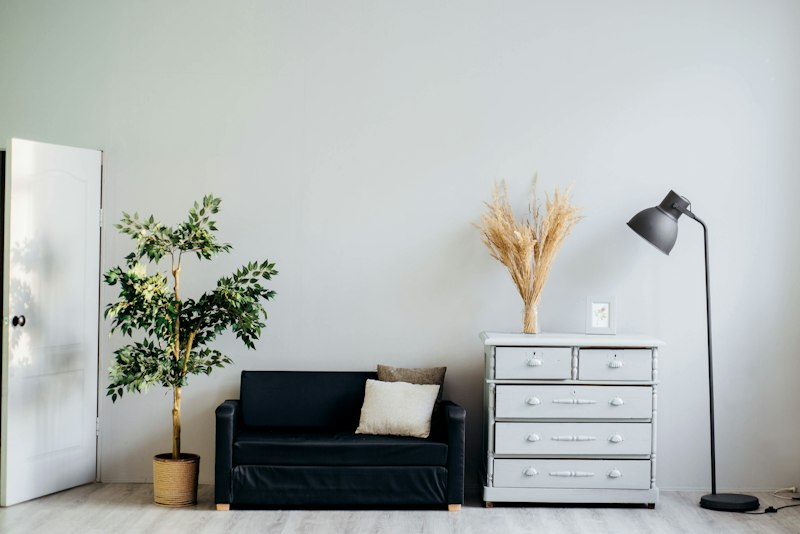
You do not need a designer budget to make your home look polished. In fact, some of the best-looking spaces rely on smart styling more than expensive furniture. The secret is choosing a few well-placed details that add texture, balance, and personality.
If your place feels a little plain right now, these budget decorating ideas can help you make it look more intentional without draining your savings account.
1. Thrift Store Finds
Thrift stores are packed with one-of-a-kind pieces like mirrors, lamps, trays, picture frames, ceramic bowls, and side tables. The trick is to shop with a vision instead of just grabbing whatever is cheap. Look for shapes and materials that feel timeless, not overly trendy.
Price-saving tip: Spray paint can transform dated finishes into something modern. A $6 lamp base and a new shade can look far more expensive than a brand-new big-box version.
2. DIY Art
Large artwork can be pricey, but walls look unfinished without it. DIY art solves that problem. Try framed fabric, printable art, abstract brushwork, or a simple black-and-white photo grid. Even a blank canvas with a few bold colors can feel high-end if you keep it clean and minimal.
Price-saving tip: Buy frames in sets and create a cohesive look with matching mats. That gives the space a curated feel without custom art prices.
3. Plants and Greenery
Plants instantly make a room feel fresher and more finished. You do not need a jungle of expensive plants either. One or two healthy pothos, snake plants, or small tabletop plants can go a long way. Faux greenery works too if you choose realistic-looking versions and keep them dusted.
Price-saving tip: Propagate plants from friends or buy small plants and let them grow. A tiny plant often costs much less than a mature one and can look just as good over time.
4. Throw Pillows
Throw pillows are one of the fastest ways to make a sofa or bed look styled. The expensive look comes from texture and color choice, not from spending a fortune. Think linen, boucle, velvet, or subtle patterns in a limited color palette.
Price-saving tip: Buy pillow covers instead of full pillows when possible. That lets you switch styles seasonally without buying new inserts every time.
If you like affordable upgrades that still feel elevated, you may also enjoy 10 Kitchen Gadgets That Actually Save You Time and Money and How to Organize a Small Kitchen on a Budget.
5. Statement Mirrors
A well-sized mirror can make a small room feel brighter and bigger. Statement mirrors with arched, round, or softly organic shapes look especially expensive because they add visual interest without clutter. Hang one opposite a window if you want the room to feel more open.
Price-saving tip: Check discount home stores, thrift shops, and online marketplaces. A basic mirror can look boutique-level once you pair it with the right frame and placement.
6. Gallery Walls
Gallery walls are a great way to fill a large blank wall without buying one huge expensive piece. Mix prints, photos, postcards, and small mirrors, but keep the layout intentional. Matching frames or a consistent color theme helps everything look polished instead of random.
Price-saving tip: Lay everything out on the floor first so you do not spend extra money patching mistakes in the wall. Free printable art also helps keep costs low.
7. Paint Accent Walls
Paint is one of the cheapest upgrades with the biggest visual payoff. An accent wall can add depth, warmth, or drama depending on the color you choose. Deep greens, warm taupes, muted blues, and earthy neutrals often look more expensive than bright, harsh colors.
Price-saving tip: Use leftover paint from another project if the color works, or watch for mistint sales at home improvement stores.
8. Upgraded Hardware
Swapping cabinet pulls, drawer handles, or even basic furniture knobs can make a room feel more custom. Matte black, brushed brass, and simple leather pulls tend to look polished without being flashy.
Price-saving tip: Measure existing hole spacing before buying hardware. That avoids returns and lets you shop sales with confidence.
9. Layered Lighting
Rooms look more expensive when the lighting feels warm and layered instead of harsh and overhead. Combine a floor lamp, table lamp, and softer bulbs to create depth. If your room only has one ceiling light, adding another light source can completely change the mood.
Price-saving tip: Use LED bulbs with warm color temperatures. They last longer and can help you avoid constant replacements.
10. Area Rugs
An area rug can anchor furniture and make a space feel finished. You do not need a luxury rug to get the effect. Look for simple patterns, neutral colors, or textured weaves that add warmth. The right size matters more than a fancy label.
Price-saving tip: Shop clearance sections, seasonal sales, and online deals. A slightly smaller rug can also be more affordable if it still fits the room well.
How to Make Budget Decor Look Intentional
Cheap decor starts looking expensive when it feels curated. That means repeating colors, choosing a few materials, and avoiding clutter. If every room has a little black, wood, and soft neutral texture, the whole home feels more cohesive.
Try these rules:
- Stick to a limited color palette.
- Mix textures like wood, linen, metal, and glass.
- Use fewer, larger pieces instead of lots of tiny decor.
- Leave some empty space so your best pieces stand out.
For more ideas on making everyday purchases stretch further, check out Best Budget Laptops for Students in 2025 and How to Set Up a Productive Home Office on a Budget.
Bottom Line
Affordable home decor does not have to look cheap. Thrifted finds, DIY art, plants, pillows, mirrors, gallery walls, paint, hardware, lighting, and rugs can all add that “put together” feeling when you use them thoughtfully. Focus on consistency, texture, and proportion, and your home will start looking much more expensive than it really was.