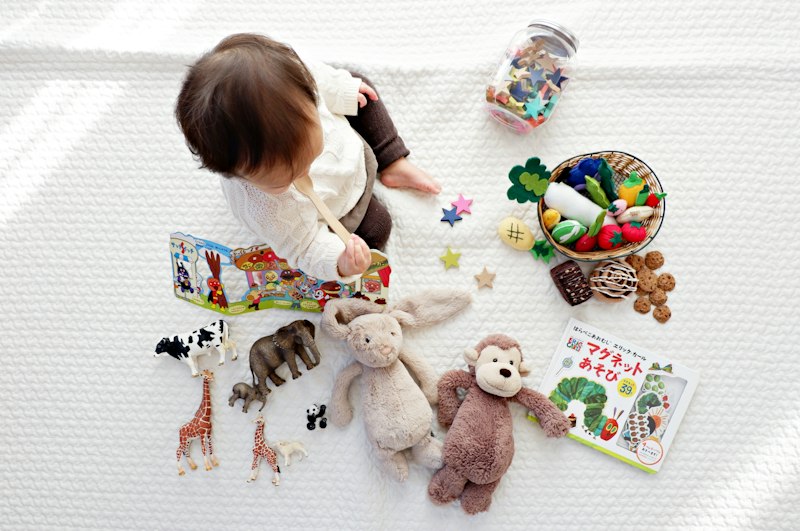
Building a baby registry can feel a little like packing for the most important trip of your life — except the destination is parenthood, the luggage never stops, and somehow everyone has an opinion about what you absolutely need. The good news? You do not need every cute gadget on the internet. You just need a thoughtful, well-rounded registry that covers the basics, fits your budget, and makes daily life easier once your baby arrives.
This checklist is designed for first-time parents in the U.S. who want a practical, stress-saving guide. Think of it as your starting point: the must-haves, the nice-to-haves, and the things you can confidently skip. If you want more ideas for making your home work on a budget, you may also like our guides to How to Organize a Small Kitchen on a Budget and Best Smart Home Devices for Beginners in 2025.
Start with the essentials, not the extras
The easiest way to build a smart registry is to think in categories. That keeps you from overbuying in one area and forgetting something truly important in another. It also helps friends and family shop at a range of price points, which is exactly what you want.
Here’s the big picture: create a registry that supports sleep, feeding, diapering, bathing, transportation, and safety. Once those boxes are checked, you can add fun items like swaddles in adorable patterns, milestone cards, or a fancy baby bouncer if there’s still room in your budget.
Nursery essentials
The nursery does not have to look like a magazine spread on day one. It just needs to be safe, functional, and easy to use during those sleepy 3 a.m. moments.
What to register for
- Crib: Choose a crib that meets current safety standards and can grow with your baby if possible.
- Mattress: Get a firm, well-fitting crib mattress with a waterproof cover.
- Dresser or storage unit: You’ll need a place for diapers, pajamas, burp cloths, and tiny socks that somehow disappear immediately.
- Fitted crib sheets: Two to four is usually enough to start.
- Changing pad and covers: A dedicated changing table is optional; a dresser topper works great for many families.
Budget tip: If you’re trying to save, put the crib and mattress on the registry at a range of price levels. Many guests love gifting the bigger essentials. You can also buy the dresser secondhand as long as it is sturdy and clean. Just avoid anything with missing hardware or wobbly drawers.
Feeding basics
Feeding can change quickly, so it helps to keep this section flexible. Whether you plan to breastfeed, formula feed, or do a mix of both, you’ll want tools that reduce stress and make cleanup easier.
What to include
- Bottles: A small starter pack is smart, because babies can be surprisingly picky about nipple shape.
- Bottle brush and drying rack: These are simple, cheap, and worth it.
- Breast pump: If you expect to pump, check whether your insurance covers one. Many plans do.
- Nursing pillow: Helpful for comfort during breastfeeding or bottle feeding.
- Burp cloths and bibs: Buy more than you think you need.
- High chair: You won’t use it right away, but it’s a helpful registry add for later months.
Don’t go overboard on one bottle brand before your baby has arrived. A few different options is usually better than a giant set of the same style. Babies have opinions, and the sooner you accept that, the easier life gets.
Diapering and bath time
These are the categories that keep your daily routine moving. They aren’t glamorous, but they matter a lot.
Diapering checklist
- Newborn and size 1 diapers
- Wipes
- Diaper cream
- Diaper pail or trash can with a tight lid
- Portable changing pad for diaper bag use
Bath time checklist
- Infant tub or sink insert
- Baby wash and shampoo
- Soft hooded towels
- Washcloths
- Nail file or baby nail trimmer
A lot of parents overspend on bath gear. The truth is, you can keep this category pretty simple. Warm water, gentle soap, and a safe place to hold your baby matter more than fancy accessories.
Clothing basics
Newborn clothing is adorable, but babies grow fast. That means a lean, practical wardrobe usually wins.
Focus on onesies, footed pajamas, sleep sacks, socks or booties, hats for weather, and a few going-home outfits. In the U.S., many parents get a mix of sizes because babies arrive at all different weights. Register for a little newborn gear, but don’t stockpile too much. Size 0-3 months is often the safest bet.
What to skip: too many special-occasion outfits, shoes for a non-walking baby, and delicate clothing that requires a full laundry strategy. You’ll be doing enough laundry already.
Gear that really earns its keep
This is where the big-ticket items live. Ask yourself: does this item make our lives safer, easier, or more mobile?
- Stroller: Choose one that fits your lifestyle. Lightweight is great for errands; travel systems are helpful for car-to-stroller transitions.
- Car seat: This is a must-have and should be installed correctly before baby arrives.
- Baby carrier: Great for hands-free comfort and soothing.
- Play yard or bassinet: Useful for sleeping or safe supervised play in different rooms.
If you live in a city, your stroller needs may look very different than if you spend weekends on trails or in big parking lots. Pick gear for your real life, not your fantasy life.
Health and safety items
This category is small, but it matters a lot.
- Digital thermometer
- Baby first-aid basics
- Nasal aspirator
- Humidifier for dry rooms
- Outlet covers and cabinet locks for later baby-proofing
Safety products are especially easy to forget when you’re busy picking out the cute stuff. Add them early so they don’t get pushed off the list. If you’re already thinking ahead about a safer home setup, our article on How to Baby-Proof Your Home: A Room-by-Room Guide is a great next read.
What you can probably skip
Here’s the part that saves money: not everything marketed to new parents is necessary.
- Too many gadgets: If it promises to solve every baby problem, it probably won’t.
- Newborn-only items in bulk: Babies outgrow newborn sizes fast.
- Specialty furniture: A changing table, wipe warmer, or wipe dispenser tower can be skipped if space or money is tight.
- Duplicate versions of the same item: One good baby carrier is better than three barely used ones.
It’s also worth checking for registry completion discounts, store promotions, and welcome box offers. Those little savings add up fast. For more everyday money-saving ideas, browse How to Find Quality Clothes Without Breaking the Bank.
Final registry tips
A great baby registry is balanced. It includes enough essentials to cover the first several months, but it also leaves room for the reality that you will learn as you go. That’s normal. Nobody walks into parenthood knowing exactly which bottle their baby will like or which swaddle will make bedtime easier.
So keep it simple: cover the main categories, mix in a few practical upgrades, and avoid the trap of overbuying. If your registry helps you feel calmer, more prepared, and a little more excited, you’re doing it right. And if you still feel overwhelmed, that’s okay too — take a breath, pick one section at a time, and trust that you do not need to have every answer today.